
Making Appreciation Visible During a High-Pressure Season
How a hand-lettered postcard became a visible ritual of recognition for Columbia University Facilities & Operations.
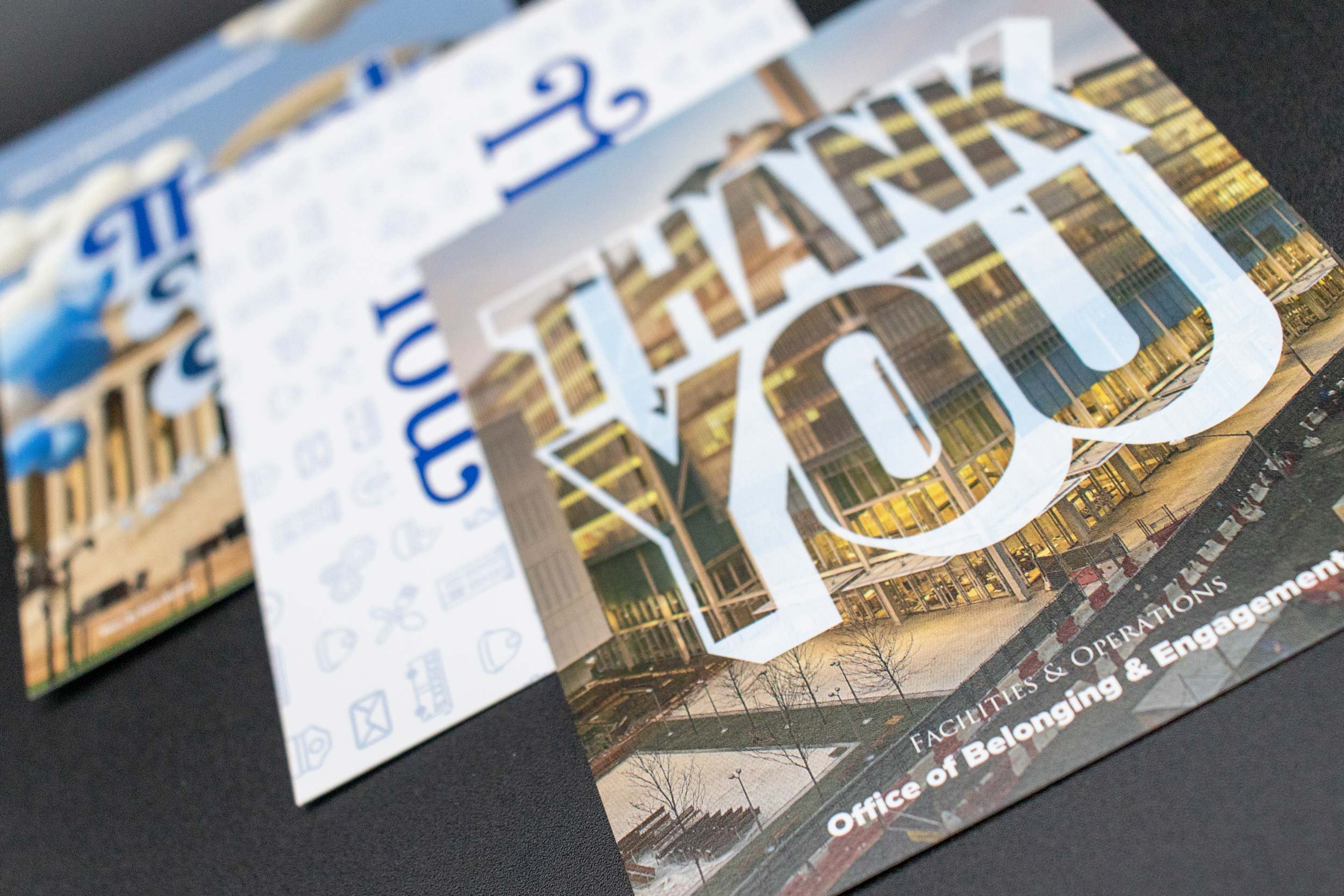
Commencement season around the world is typically when the pressure peaks across universities. At Columbia University Facilities & Operations, teams were absorbing heavier workloads and high-stakes operational demands, leaving little time to look up from the work. And in the middle of all that effort, staff kept showing up and delivering on work that might go unseen, thanks to their preparedness to deliver an unforgettable commencement to students.
That’s the thing about organizational strain: the harder people push, the more invisible the pushing becomes. Recognition is usually the first thing to disappear right when it’s needed most.
The Peer Appreciation Postcard Initiative, developed by CUFO’s Office of Belonging and Engagement, started from an honest premise about what it could and couldn’t fix. A postcard can’t replace compensation. It can’t resolve staffing, or formal recognition, or the long work of culture change. The brief said so plainly from the start. The postcards were an extra, never a substitute. That boundary mattered, because a symbolic gesture that pretends to be more than it is rings hollow.
But within that honest limit, a postcard can still do one small thing.
It can give one person a way to say:
“I noticed what you did.”
A Format Simple Enough to Actually Use
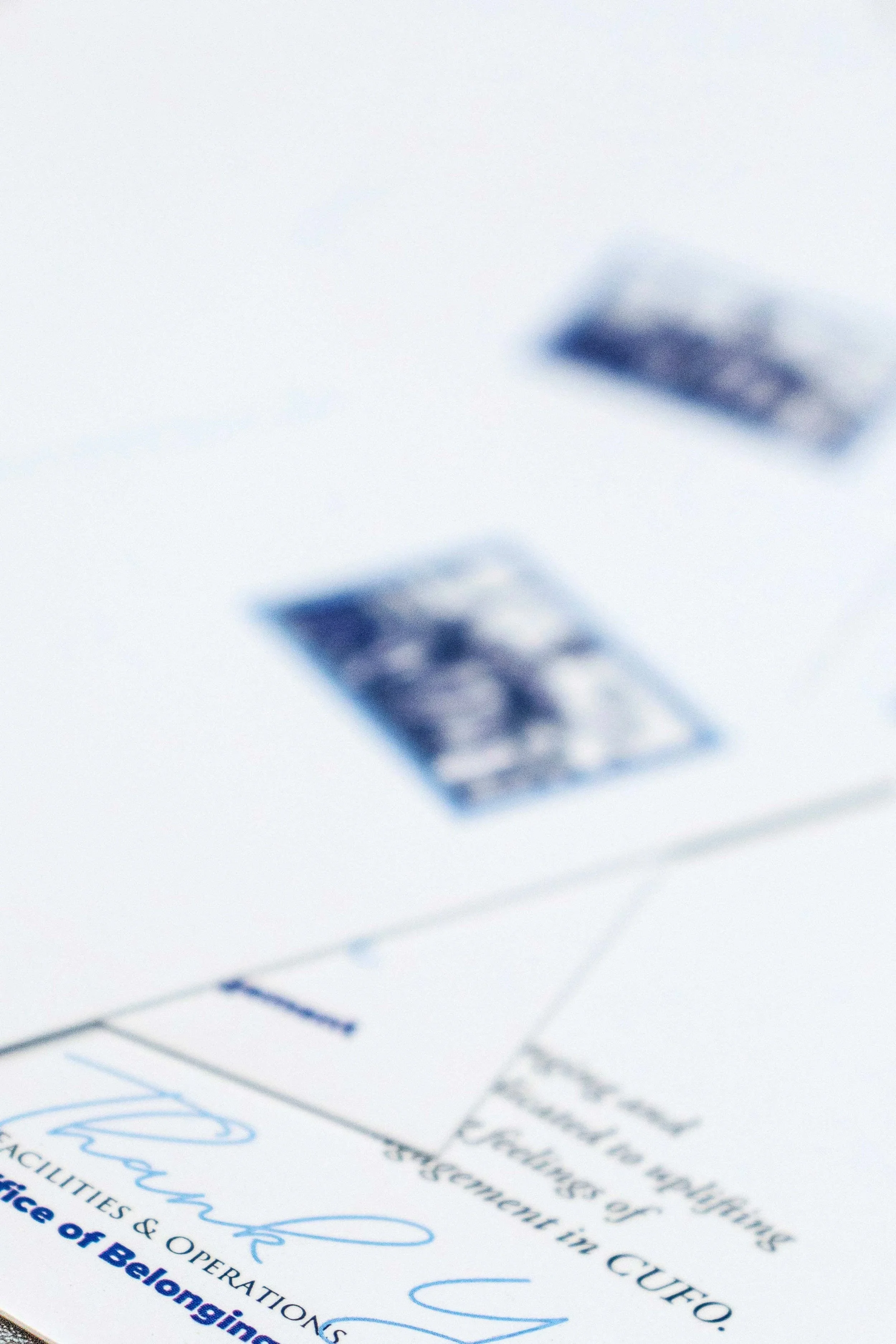
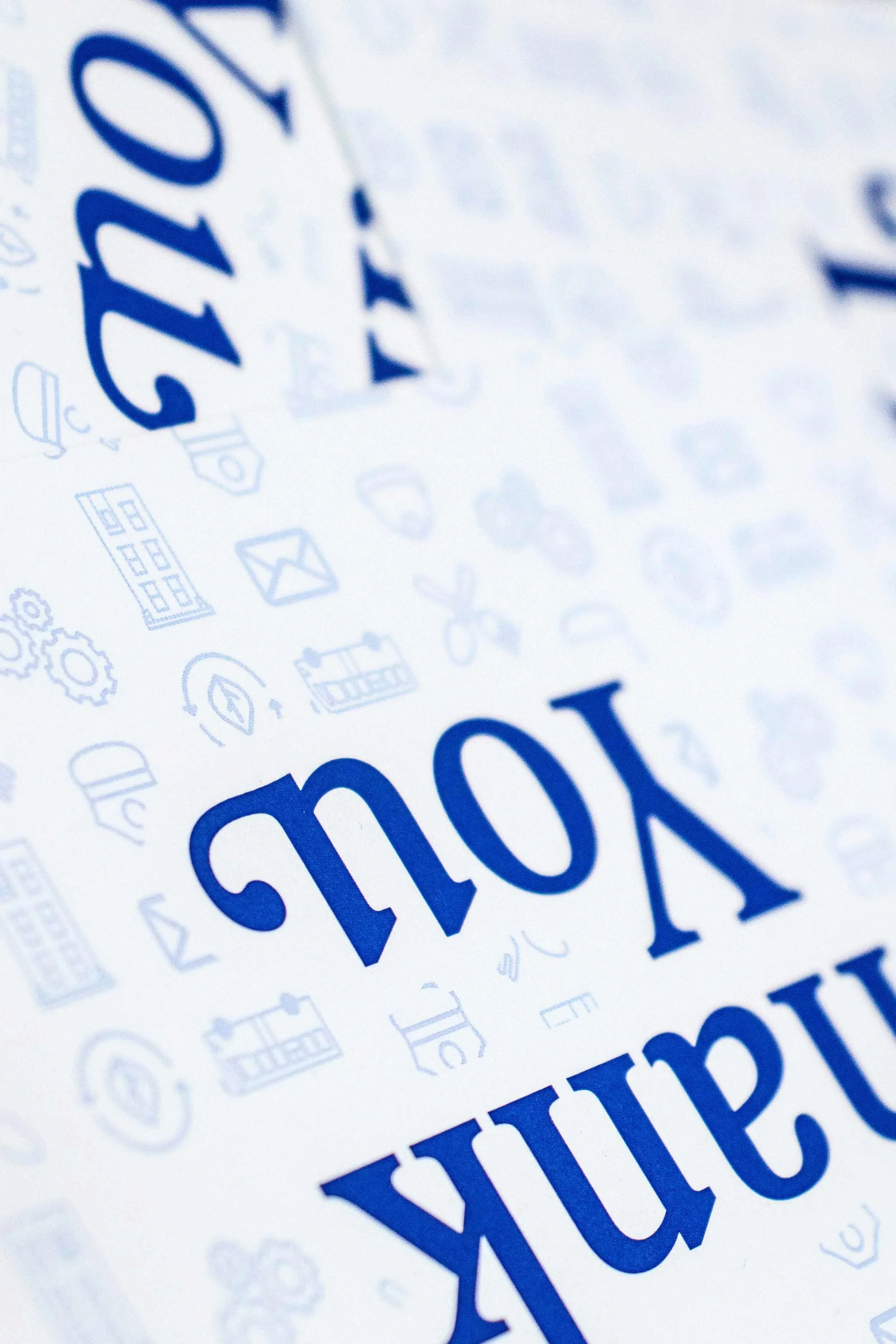
The postcard submissions were created as peer-to-peer. A staffer submits a message for a colleague, a supervisor, or anyone whose work made a difference via a Microsoft Form. The team reviews it. Then it’s hand-transformed into a postcard and delivered throughout May.

The submission process was made simple. With everyone pulled in a dozen directions, participation had to feel effortless, sincere, and genuinely worth taking the time to submit. The team worked on creating a campaign that avoided generic HR language and empty “spread positivity” slogans. The team pushed for specificity. Because the strongest appreciation is always specific. It names the action, the impact, the difference made. The campaign invited staff to recognize the full range of contributions: a colleague who covered a late shift, a mentor who guided others without being asked, a leader who kept things moving when it mattered. The small, steady, easy-to-miss efforts got their moments.

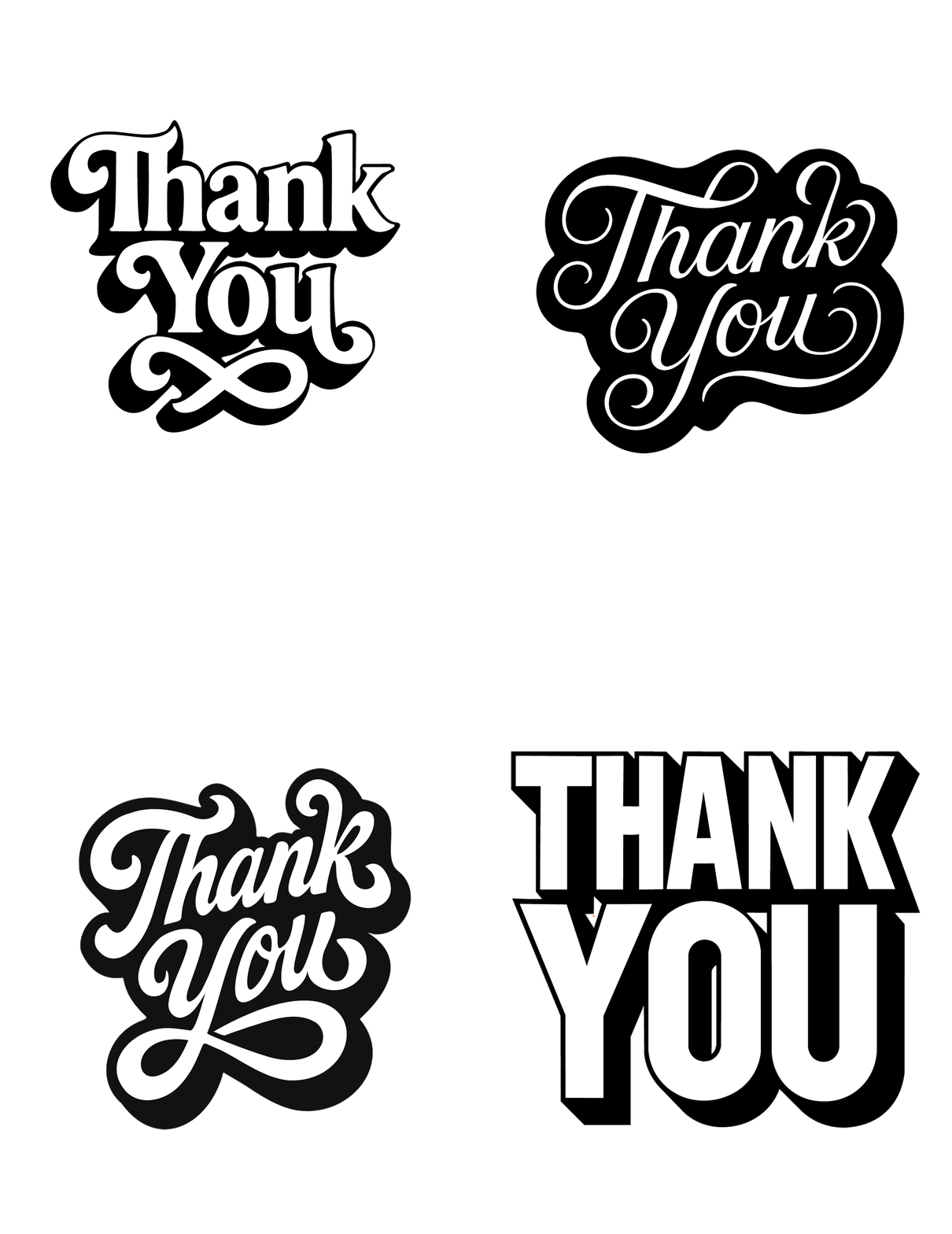
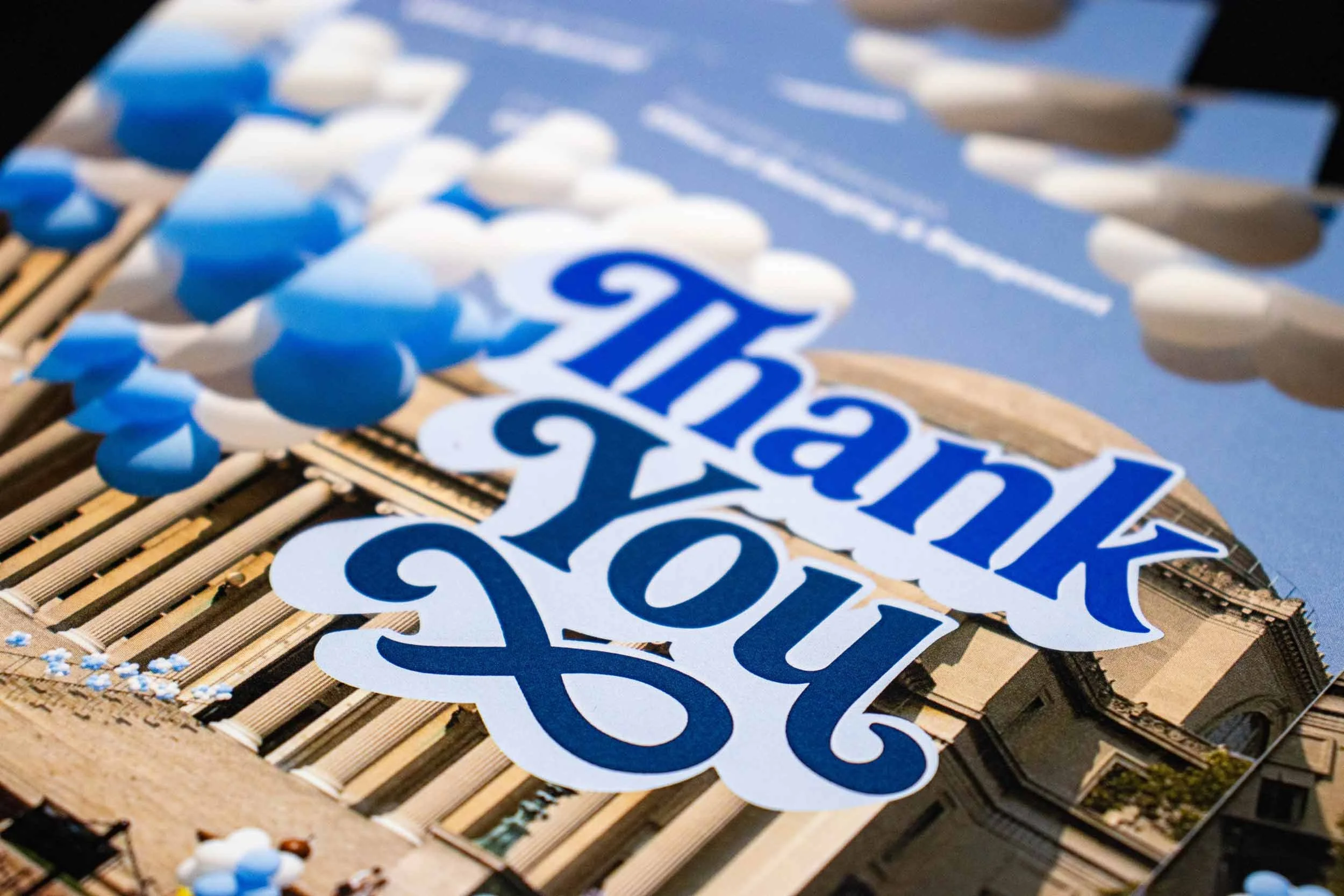
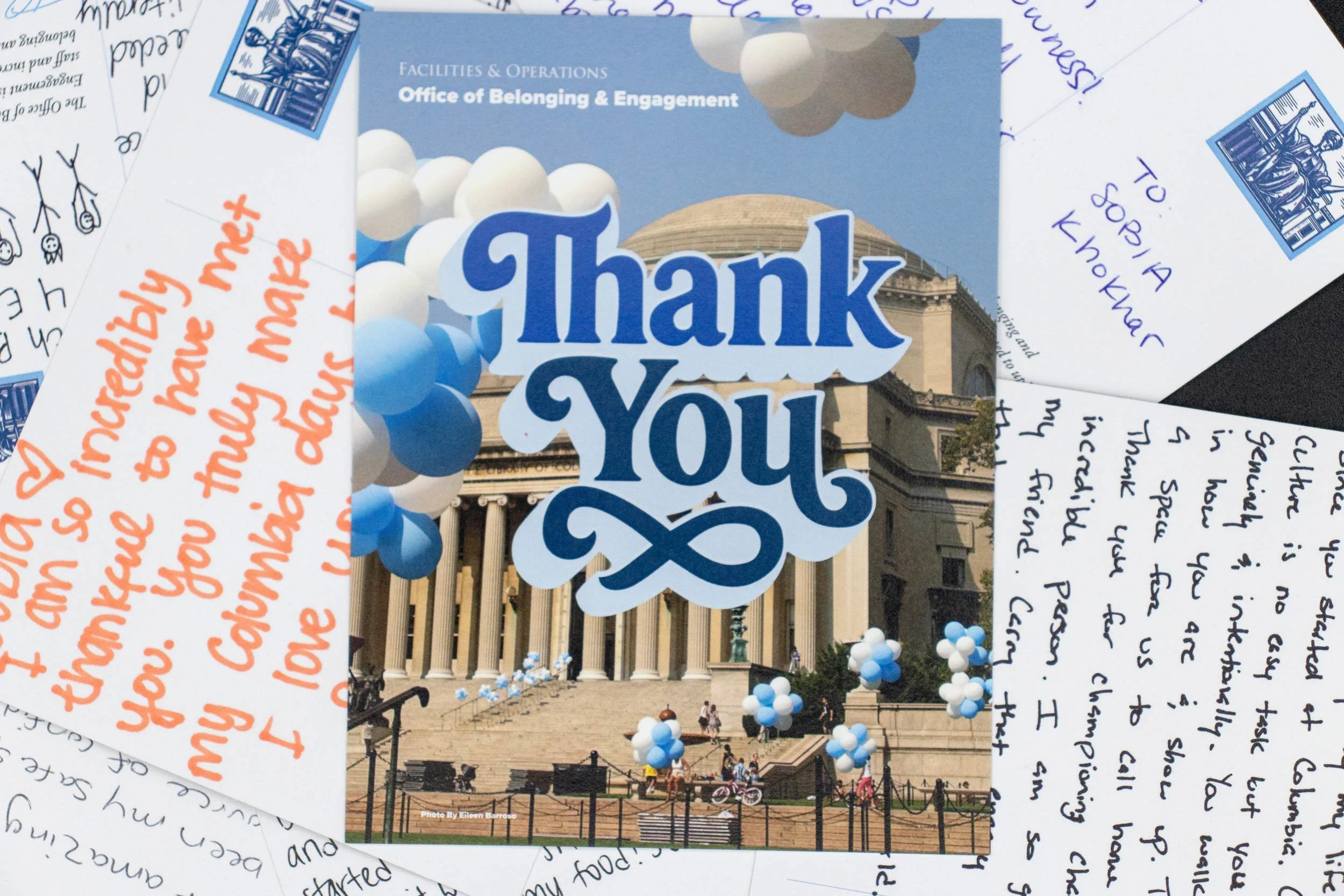
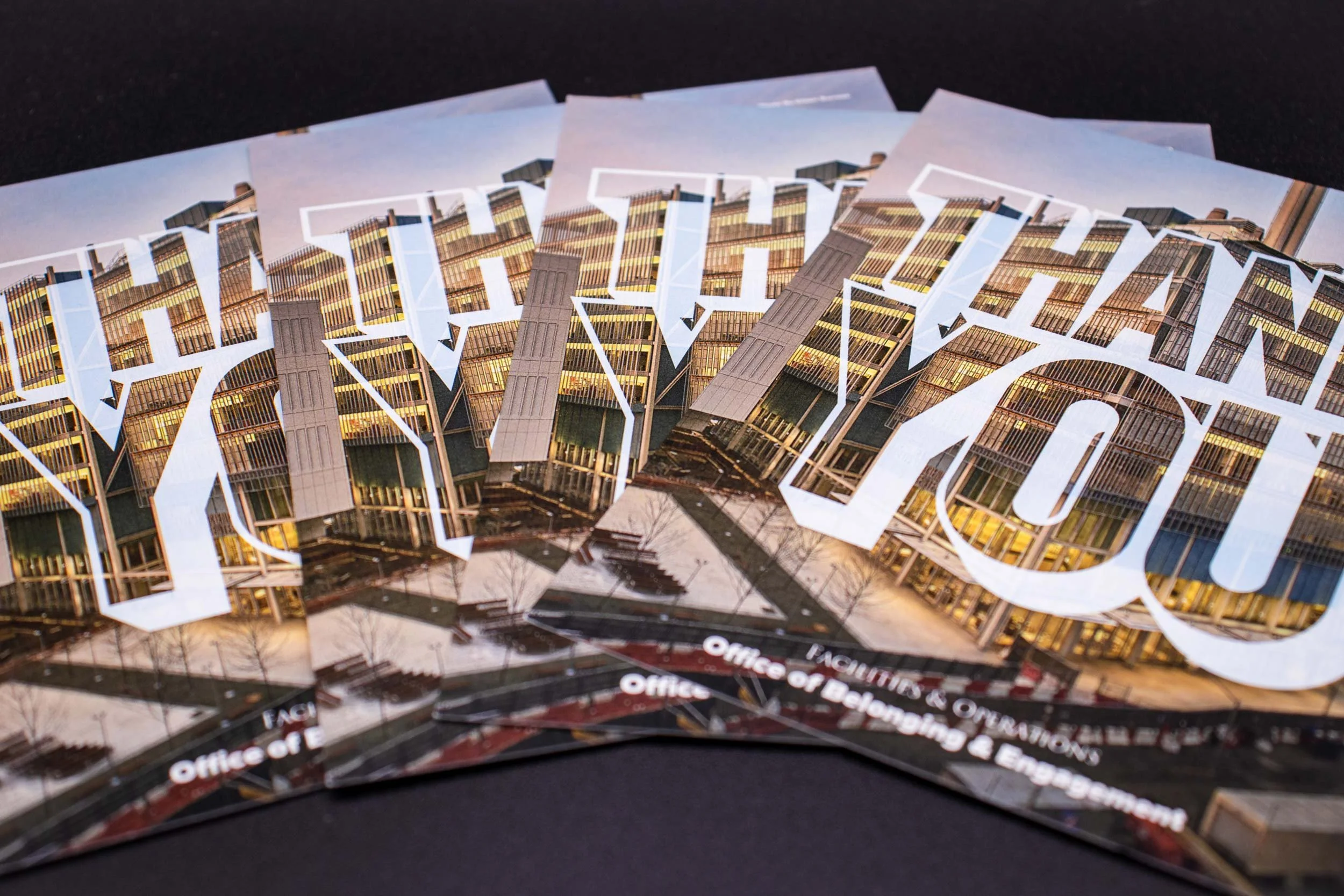
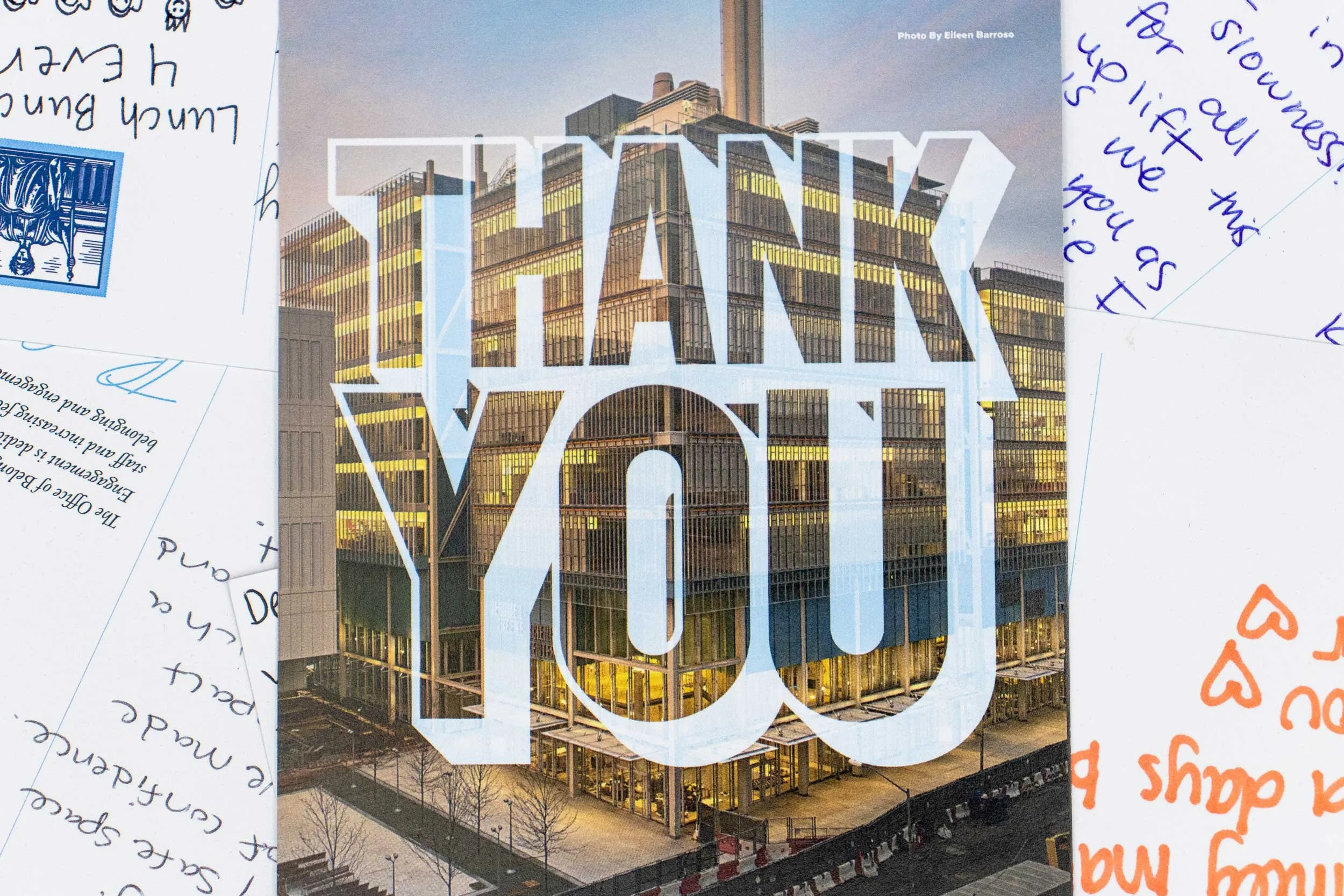
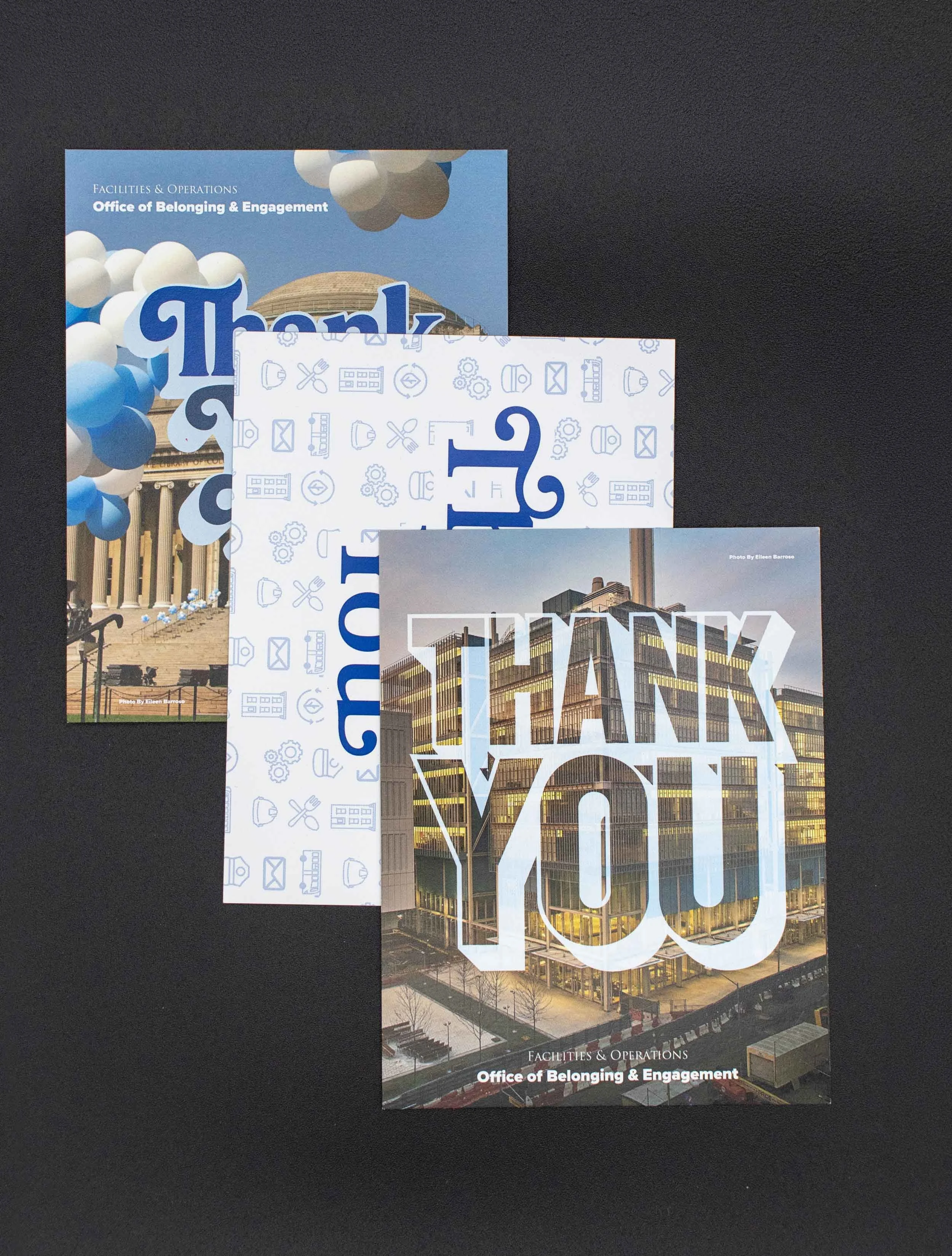
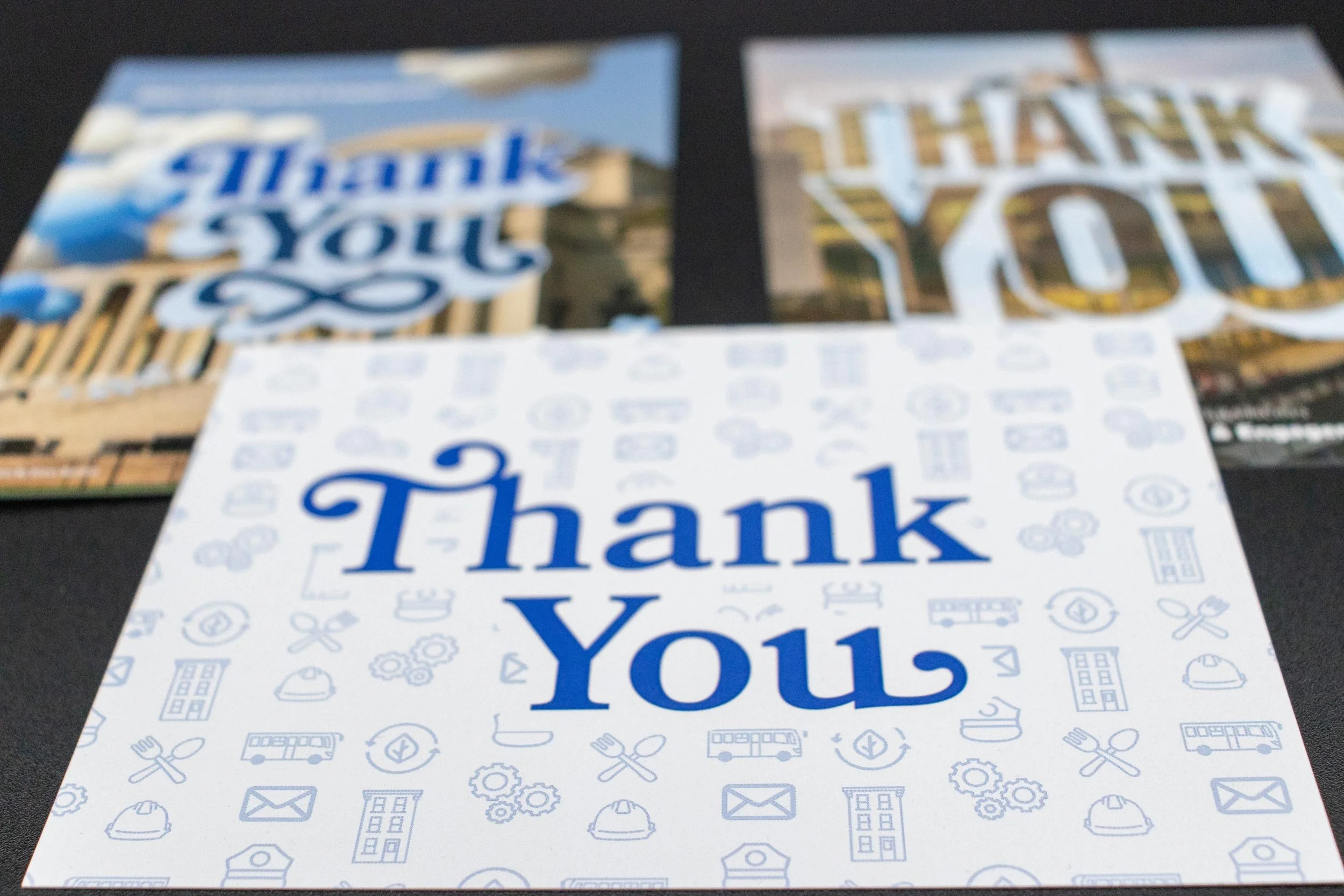
Our team came in on the visual side, and when meeting with the BE team, a central value emerged: to refuse to treat the postcard as just another printed object. We worked with the team to pull photographs from CUFO’s own collection, real spaces, real faces, not stock, and hand-lettered a custom “Thank You” on the front of each card design. Before anyone picked up a pen, the card felt personal, warm, intentional.
Two-Week Timeframe
The submission went live on April 15th and stayed open for two weeks. During that time, the team collaborated with teams within CUFO to promote the initiative through printed flyers, staff updates during team check-ins, and social and email. The team took the time to share the importance with leaders so the message came across as unified across the different touchpoints staff members encountered the initiative. The results spoke for themselves: more than 700 submissions. More than 700 people felt appreciated and seen by those around them.
That number doesn’t prove a culture changed overnight, and it would be dishonest to claim it did. But it says something real: when recognition is easy, personal, and clear, people show up for each other. Give them a structure for gratitude, so no one has to find the perfect words alone, and they use it. The format turned out to be small enough to feel doable, but real enough to hold meaning. The warm reception and the care people noticed in the design raised the profile of the Office of Belonging and Engagement across CUFO.
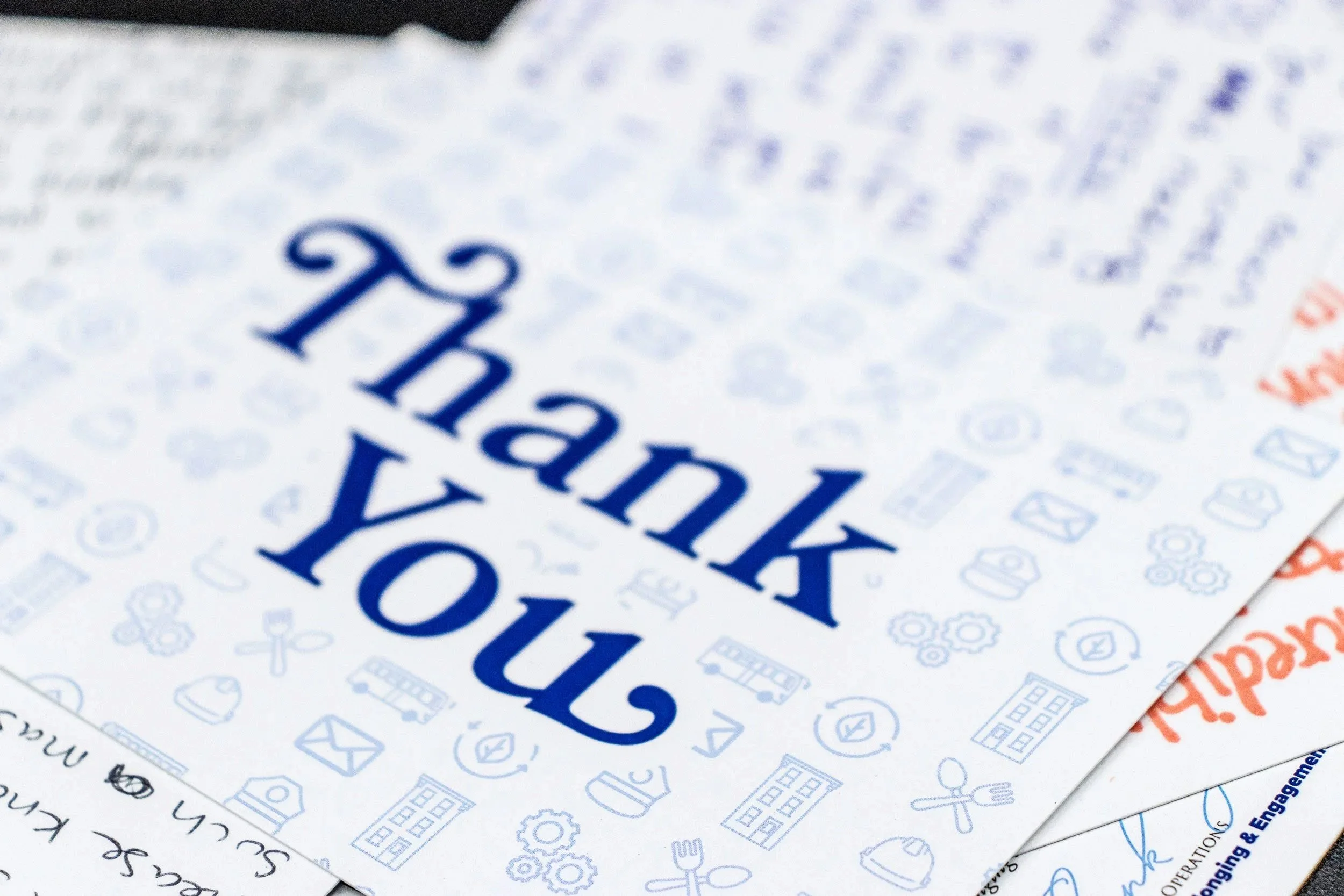
The Part No One Sees
CUFO staff are spread across teams, roles, shifts, and locations- late nights, weekends, every corner of the operation. Every submission had to be reviewed against CUFO policies before it went out. Postcards had to reach people respectfully, without tripping over privacy concerns.
Those backstage details are exactly what make internal communication credible. A good campaign isn’t only what people see on the front and back of the card; it’s the invisible system that lets a message travel through an organization with care. The postcard had to feel human, and it also had to move cleanly through a real chain: submit, review, handwrite, deliver, receive. That unglamorous sequence is what made appreciation something everyone could actually see.
The Right Scale Works
This project reminded us that not every valuable communication tool needs to be big, complex, or highly produced. Sometimes the right format is simply the one people will actually use.
A handwritten postcard can’t solve structural workplace challenges. We never pretended otherwise. But a small, well-made artifact can still create moments of visibility and connection, especially when people are stretched thin and running on empty.
In the end, the work gave CUFO staff a simple way to recognize one another during a brutal season. A few minutes. A specific message. A card someone can hold in their hand. Sometimes that’s exactly the right scale for the work.
Takeaways
-
Appreciation is the first thing to vanish under pressure, right when teams are working hardest. Treat visibility as a deliberate ritual, not an afterthought.
Make It Yours: pick one high-pressure stretch on your calendar- a busy season, a launch, a deadline crunch- and build a recognition moment into it before it arrives, rather than hoping gratitude happens on its own.
-
The strongest appreciation names the action, the impact, and the difference made. Invite recognition of every kind of contribution, including the quiet, steady work that usually goes unnoticed.
Make It Yours: In your submission prompt, ask people to name what someone did and why it mattered—two small questions that steer them away from “thanks for everything” and toward something a person can actually hold onto.
-
Choose a format that’s intentionally simple, small enough to feel doable, real enough to hold meaning.
Make It Yours: time your own submission. If it takes more than two or three minutes, cut a step. Every bit of friction you remove is a person who participates instead of meaning to and forgetting.
-
Custom lettering and photography, drawn from CUFO’s own spaces and faces, made each card feel personal and true to the people it served.
Make It Yours: Skip the stock imagery and pull from what’s already yours—your buildings, your team’s photos, an internal illustrator, or a colleague’s handwriting. Recognition lands harder when it looks like it came from inside the house.
-
Submission, review, respectful delivery, accounting for every shift and location—the unseen process is what lets a message move through an organization with care.
Make It Yours: Before you launch, map the full path from submission to delivery and ask who might be missed—the night shift, remote staff, anyone off-site—then solve for them first, not last.
